
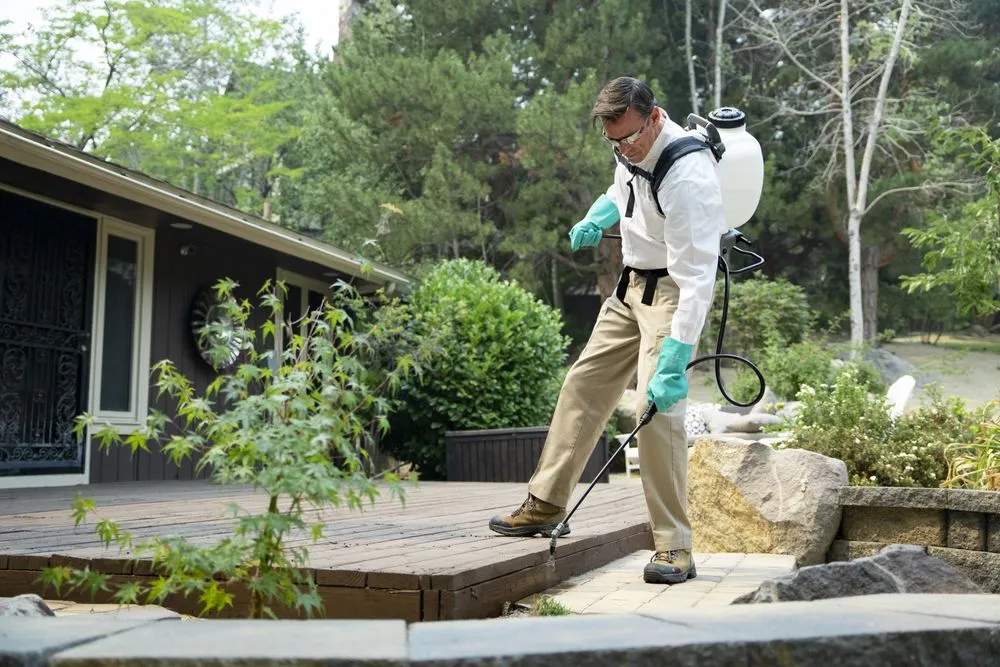
Field notes from the SouthCoast
Pest-Control Guides for New Bedford Homeowners
Learn where carpenter ants nest in damp New England framing. Cut your Lyme disease risk in Bristol County. Keep mice out of an older house all winter.
Latest New Bedford pest guides
Showing 3 of 3 articles
Start with our guide to carpenter ants in New England homes, learn how deer ticks spread Lyme disease in Bristol County, or use the practical checklist for keeping mice out of an older house in winter.
Ready to book the work instead? Go straight to ant control, cockroach control, bed bug control, termite control, rodent control, spider control, mosquito control or flea and tick control.
-
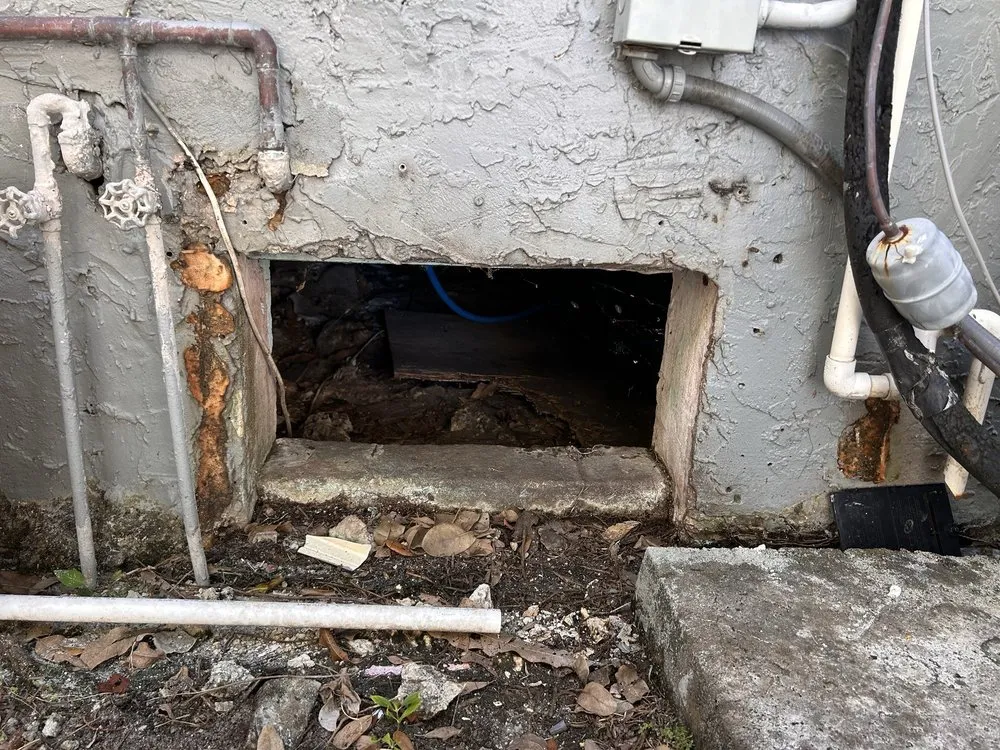 Rodent Exclusion
 8 min read
Keeping Mice Out of Older New Bedford Houses in Winter
Why house mice and Norway rats get into century-old New Bedford housing each autumn. The order of work that keeps them out for good.
Read the full guide - Tick and Lyme Prevention
9 min read
Deer Ticks and Lyme Disease in Bristol County
A prevention guide to blacklegged deer ticks on the SouthCoast. The 5 yard zones that hold them, the risk season, and what cuts exposure.
Read the full guide -
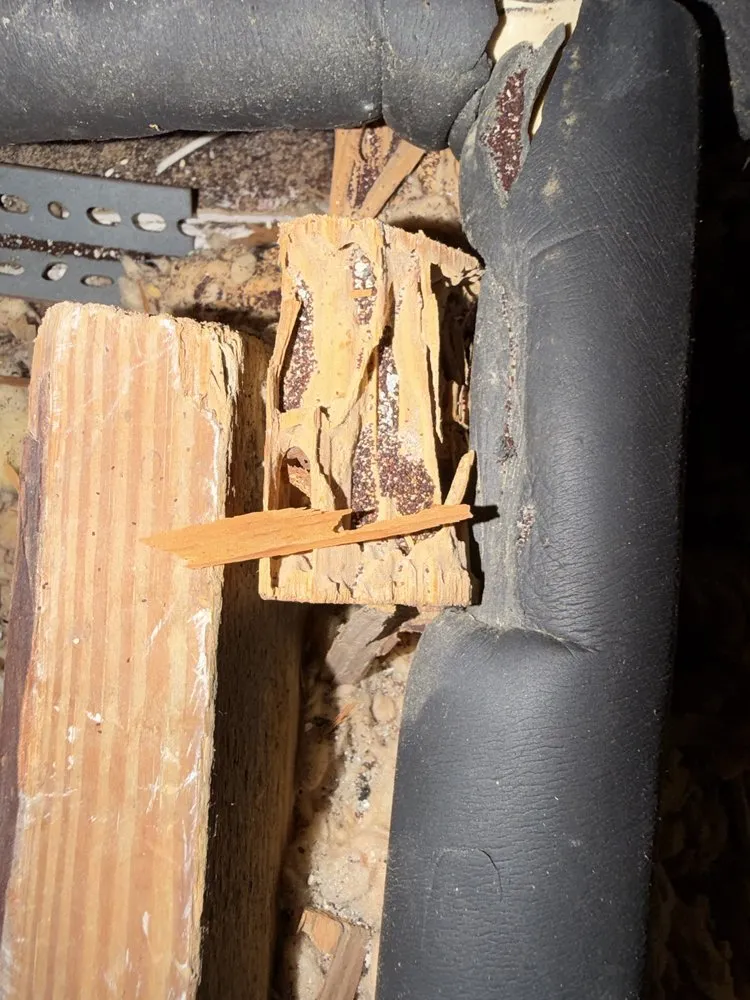 Structural Pest Prevention
 8 min read
Carpenter Ants in New Bedford Homes
A guide to the large black ants that nest in damp New England framing. What the sawdust under a window means, and how to fix the cause.
Read the full guide
Local pest-control service in New Bedford
Reading About Pests Because You Found One?
Our New Bedford team inspects the property and names the pest. Then we check the likely nesting and entry zones and set out the next treatment step.