Ticks are the pest we treat with a serious illness attached. Blacklegged deer ticks are established across Bristol County, Massachusetts reports high Lyme disease numbers every year, and the life stage behind most transmission is small enough to miss on close inspection.
This guide covers reducing exposure. It is not medical advice, and anything that looks like a tick-borne illness belongs with a doctor rather than a pest control company.
The Nymph Is the Problem
Deer ticks feed at 3 life stages, and the 3 do not carry equal risk.
Adults stay active in spring and again in autumn. They measure about 3 mm and get noticed and removed, often before they attach.
Nymphs are the ones that matter. They measure about 2 mm, the size of a poppy seed, and stay active from late spring into midsummer. Nymphs cause most Lyme disease transmission because people do not see them. A nymph sits attached behind a knee or at the hairline for a day without getting noticed.
Larvae are smaller still at about 1 mm, and they rarely carry the bacteria, since they have not yet fed on an infected host.
Peak risk in Bristol County runs from late May through July, which is when people spend the most time outdoors.
Ticks Do Not Live in the Middle of Your Lawn
This is the most useful fact for a homeowner. Deer ticks dry out fast and cannot survive long in open sunny mown grass. Studies find them concentrated in 5 zones:
- The woodland edge, where lawn meets trees. This band holds most of the ticks in a typical yard.
- Leaf litter under trees and shrubs, which stays humid at ground level.
- Stone walls, which hold moisture and shelter the mice carrying the bacteria.
- Dense ground cover such as pachysandra, ivy, and myrtle.
- Wood piles and brush piles, especially when stacked on the ground.
Know where those 5 zones sit and you know where to take care and where treatment belongs.
6 Habitat Changes That Cut Exposure
These yard changes carry the best evidence behind them, and none require a treatment:
- Clear leaf litter from the lawn edge and from around the foundation each spring and autumn.
- Cut back the brush line and let sunlight onto the transition zone. Ticks do badly in dry sunny ground.
- Put in a barrier strip. A 3-foot (1 m) band of gravel or dry wood chip between woods and lawn reduces tick movement onto the grass.
- Move the wood pile off the ground, into the sun, and away from the house.
- Keep play equipment, seating, and the dog run well away from the woodland edge and stone walls.
- Discourage the hosts. Fencing that keeps deer off the property, plus rodent control that reduces the white-footed mice carrying the bacteria, both cut the tick population feeding on your land.
The Daily Check Is Still the Best Tool
No yard treatment removes the need for a daily check. After time outdoors, check the warm concealed spots first: behind the knees, the groin, the armpits, the waistband, behind the ears, and along the hairline. Check children and pets properly rather than glancing at them.
Remove an attached tick with fine-tipped tweezers. Grip as close to the skin as you can and pull straight up with steady pressure. Do not twist, and skip the petroleum jelly, the match, and the other folk methods that circulate every summer. Clean the area afterwards and note the date. Prompt removal matters, and anything that follows belongs with your doctor.
Tumbling clothes on high heat for 10 minutes after yard work kills ticks that hitched a ride. Build that habit from May onward.
Where Treatment Fits
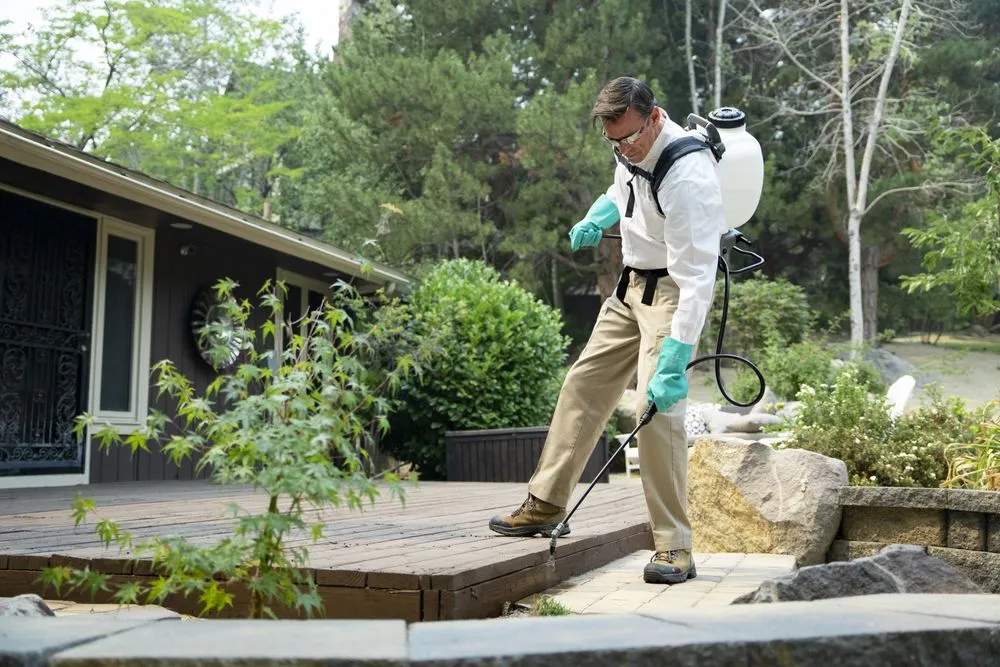
A yard programme targets the transition zones rather than the open lawn, and it cuts the number of ticks in the areas your household actually crosses. It works best alongside the 6 habitat changes rather than instead of them, and it does nothing for the pet, which needs a veterinary product.
For the treatment side, see our flea and tick control page. Mice active around the property make rodent control worth adding, since that cuts the host population feeding local ticks. The PC New Bedford home page covers the wider seasonal plan. To have your yard edges assessed, book a free inspection before the nymphs are out.
Independent guidance: EPA tick-bite prevention tips (opens in a new tab) and EPA tool for finding the right insect repellent (opens in a new tab) . These sources sit alongside the property-specific findings in your written scope.
- #deer ticks
- #Lyme disease
- #Bristol County
- #yard treatment