Large black ants crossing a kitchen floor at 10 PM are a different problem from small ants on a counter at noon. Carpenter ants rank second only to termites as a structural pest in New England, and New Bedford housing gives them what they need without much effort.
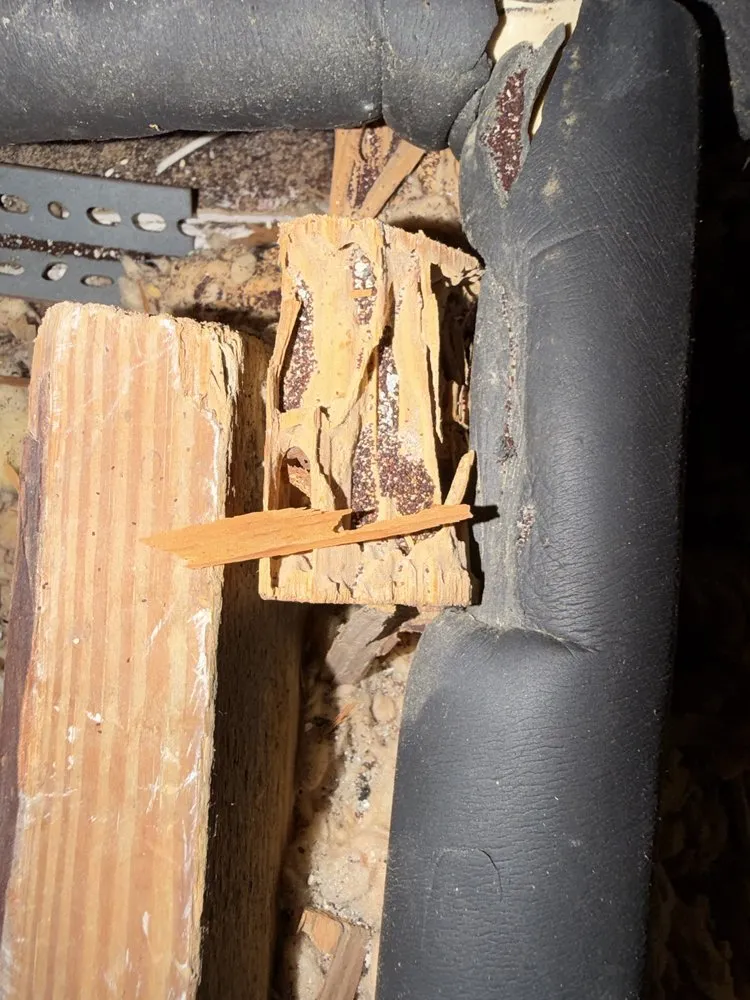
Carpenter ants do not eat wood. They dig it out, hollowing smooth galleries to nest in and pushing the debris outside. They look for wet wood, since damp softened timber is far easier to tunnel. Find the water and you have usually found the nest.
Why Older New Bedford Houses Suit Them
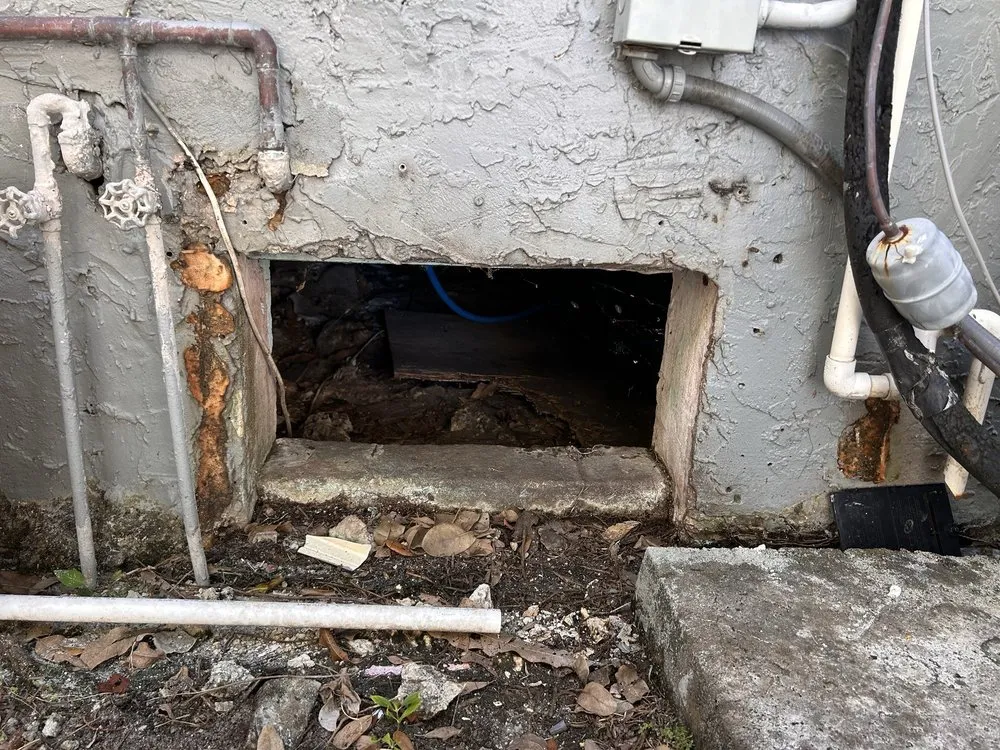
Historic homes and triple-deckers across the North End, South End, and West End share 5 features carpenter ants read as an invitation:
- Porch roofs and bay windows with flashing that has leaked for years.
- Gutters overflowing at the corners, soaking the fascia and the wall below.
- Sills close to grade on stone foundations, damp most of the year.
- Balloon-framed walls with a clear vertical run from cellar to attic.
- Wooden bulkhead frames and cellar stairs touching masonry.
Add a century of small repairs and the house holds dozens of pockets of softened wood, nearly all of them out of sight.
The 4 Signs Worth Acting On
Night activity. Carpenter ants forage after dark. Seeing 5 large ants indoors in the evening matters far more than seeing 5 at midday, since night activity suggests the nest sits in or on the building.
Frass. The sawdust under a window frame, porch beam, or cellar sill is excavated debris. It holds insect body parts and bits of insulation alongside the wood shavings. A fresh pile that returns after you sweep it means the gallery above it is active.
A faint rustling. In a quiet room, an established nest inside a wall void makes a dry papery sound you can hear.
Winged swarmers indoors in spring. Reproductives leaving a mature colony mean the nest has run for 3 to 5 years. People confuse these with termite swarmers constantly. Carpenter ant swarmers have elbowed antennae, a pinched waist, and front wings longer than the back pair. Termites have straight antennae, a uniform waist, and 4 wings of equal length. Keep a few specimens.
Parent Nests and Satellites
Most homeowner treatments come apart here. A mature carpenter ant colony keeps a parent nest outdoors in a stump, a dead limb, or a wood pile, then sets up satellite nests inside a building. Satellites hold workers and older larvae but no queen, so clearing 1 satellite does not end the colony. The parent nest keeps sending replacements along the same trail.
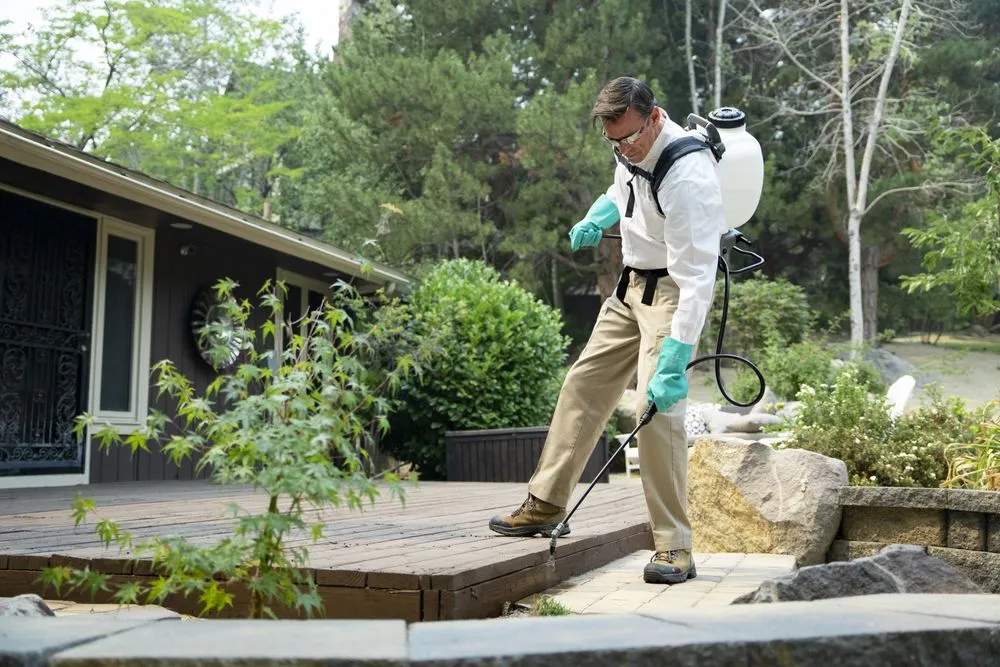
Spraying the trail makes this worse. Repellent products push the colony to split further and relocate, turning 1 problem into 3 in different walls. Bait carried back to the nest, plus direct treatment of any gallery you can reach, is what gets to the part of the colony you never see.
The 6 Repairs That Actually Matter
Treatment without fixing the moisture is a subscription rather than a solution. In order of value:
- Clear and repair the gutters, then extend the downspouts so water discharges well past the foundation.
- Fix roof and flashing leaks, especially over porches, bay windows, and where a lower roof meets a wall.
- Replace wood that has gone soft. A punky sill or trim board gets recolonised.
- Correct grading that slopes back toward the house and keeps the sill line wet.
- Cut branches off the roof and siding. A limb touching the building skips every perimeter treatment.
- Move the wood pile off the ground and away from the wall. Firewood stacked beside a house is a common parent nest.
When to Call
Call in 4 situations: large ants indoors after dark, frass that returns after cleaning, swarmers at an interior window, or soft wood anywhere on the structure. Book the inspection early, since the gap between a treatment and a carpentry bill comes down to how long the leak ran.
For the treatment side, see our ant control page. Soft wood near the foundation also earns a check for termites. The PC New Bedford home page covers the full seasonal plan, or request a free inspection and have someone identify the ant before anything gets treated.
Independent guidance: EPA integrated pest management principles (opens in a new tab) and EPA citizen guide to pest control and pesticide safety (opens in a new tab) . These sources sit alongside the property-specific findings in your written scope.
- #carpenter ants
- #wood damage
- #moisture control
- #New Bedford